
Use this quick tool to estimate the cost of your treatment.
This simulator is only for full-arch dental implants (replacing an entire upper or lower row of teeth, or both). It is not for fixing just one or two teeth.
To make sure this is the right fit for you, this quick self-test confirms your dental needs match a full-arch implant treatment so you get the most accurate estimate.
This simulator is strictly for full-jaw implant treatments. If you only need to fix a few missing teeth, get crowns, or restore individual teeth, a personal consultation is needed to design the best plan for you.
An upper jaw that is completely missing all of its natural teeth, making it a foundational candidate for a full-arch implant rehabilitation.
An upper jaw featuring only a few isolated, heavily worn old crowns scattered across a largely empty gum line, making it an ideal candidate for a full-arch implant restoration to replace all missing teeth at once.
An upper jaw presenting with severely compromised, failing old crowns and heavily worn teeth that can no longer support individual restorations, making a full-arch implant solution the ideal path to restore a healthy, complete smile.
An upper jaw featuring a combination of missing teeth, worn structures, failing restorations, and old non-restorable implants among the failing teeth that can no longer provide stable support, making it an ideal candidate for a comprehensive full-arch implant rehabilitation.
An upper jaw featuring only a row of severely worn and compromised tooth roots along the front, leaving the rest of the arch empty and making it a clear candidate for a full-arch implant restoration.
An upper jaw featuring a partial row of teeth restored with old, worn-down dental work on one side while the rest of the arch is completely empty, making it an ideal candidate for a full-arch implant restoration to create a balanced, uniform smile.
An upper jaw featuring heavily drilled-down tooth stumps and old post preparations scattered across the arch, making it a clear candidate for a full-arch implant restoration to replace the failing structures with a secure, permanent smile.
An upper jaw showing advanced gum disease (periodontitis) that has caused the gums to pull back and shrink, exposing the roots and making the teeth look unusually long and loose, with noticeable tooth mobility that makes it a strong candidate for a full-arch implant transformation.
Even though everything appears normal from the outside, an upper jaw consisting of old restorations that repeatedly fall out, get glued back in, and fail once more, making it an ideal candidate for a permanent full-arch implant transformation.
An upper jaw featuring uneven, shifting teeth with exposed margins and failing dental work that can no longer maintain proper alignment, making it an ideal candidate for a reliable full-arch implant restoration.
Describe this condition so the
A lower jaw presenting with a cluster of heavily decayed, discolored, and structurally compromised front teeth surrounded by completely empty back regions, making it an ideal candidate for a full-arch implant rehabilitation.
A lower jaw featuring a row of heavily worn down, hollowed-out root fragments and failing structural remnants that can no longer support individual teeth, making it an ideal candidate for a full-arch implant restoration.
A lower jaw presenting with severe tooth erosion, heavy tartar buildup, receding gums, and significant tooth mobility, making it an ideal candidate for a comprehensive full-arch implant rehabilitation.
A lower jaw featuring very old bridges and crowns with decayed roots underneath that are completely non-restorable, making it an ideal candidate for a full-arch implant rehabilitation.
A lower jaw featuring a combination of partial tooth sections and exposed, worn-down root stumps that can no longer support individual restorations, making it an ideal candidate for a full-arch implant rehabilitation.
A lower jaw featuring a connected block of front teeth alongside isolated, severely decayed roots and failing structures in the back, making it an ideal candidate for a full-arch implant rehabilitation.
A lower jaw featuring edentulous segments, mobile front elongated teeth with receded gums, and an old failing bridge on one side, making it an ideal candidate for a comprehensive full-arch implant rehabilitation.
A lower jaw featuring a handful of heavily worn, stained, and compromised remaining teeth alongside an old, failing single implant standing alone on the opposite side, making it an ideal candidate for a comprehensive full-arch implant rehabilitation.
This lower jaw features edentulous segments in the back alongside a long, old, failing bridge with heavily decayed roots underneath that are completely non-restorable, making it an ideal candidate for a full-arch implant rehabilitation.
Enter your contact details to receive your personalised estimate.
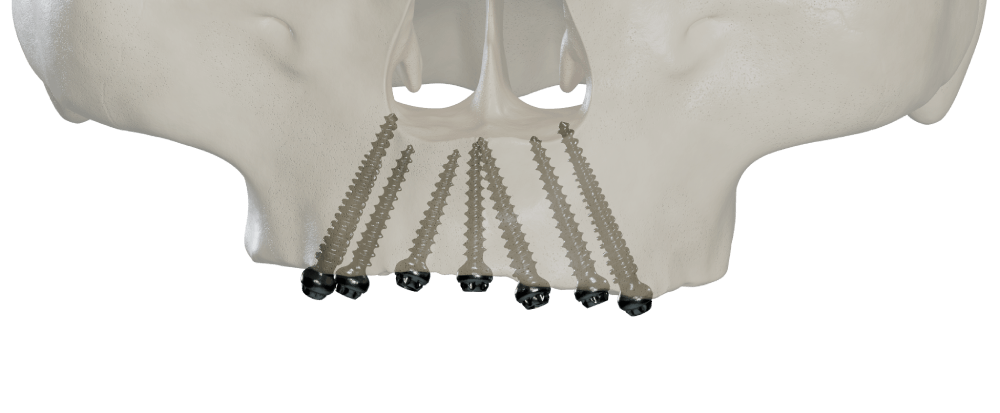
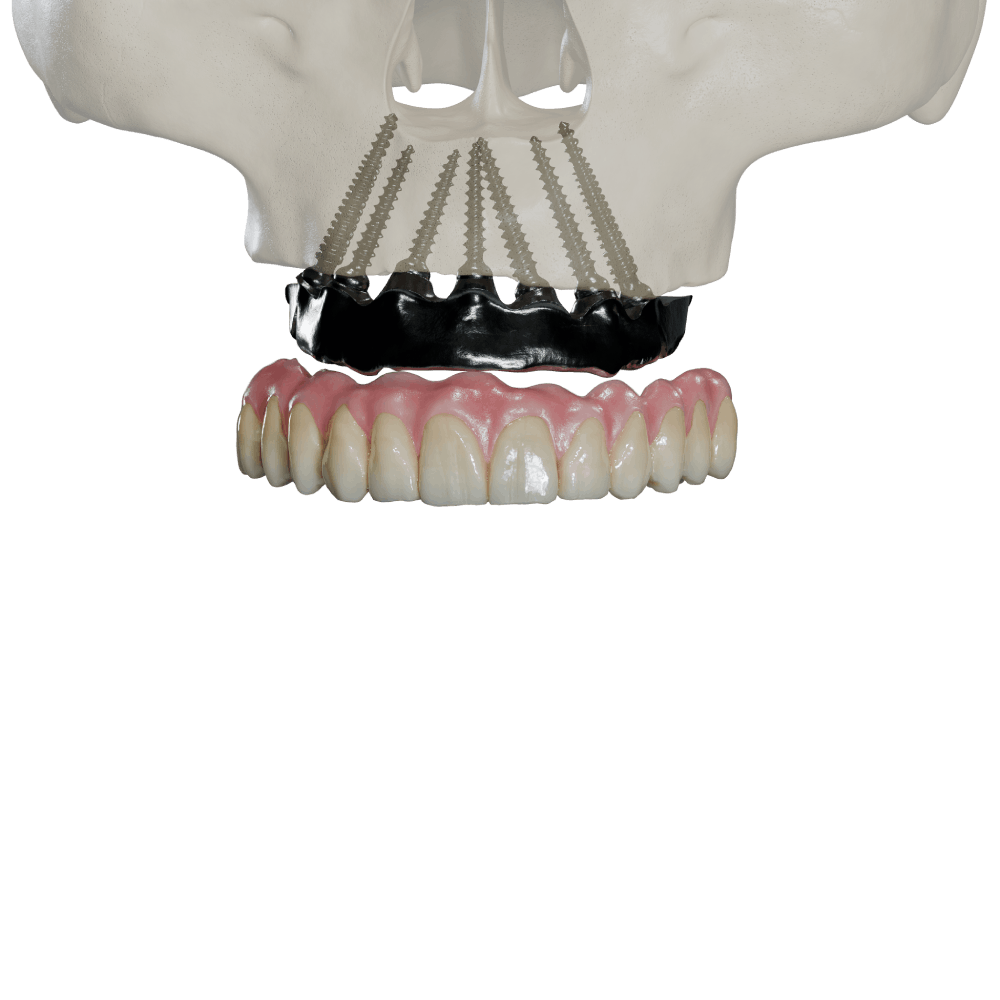
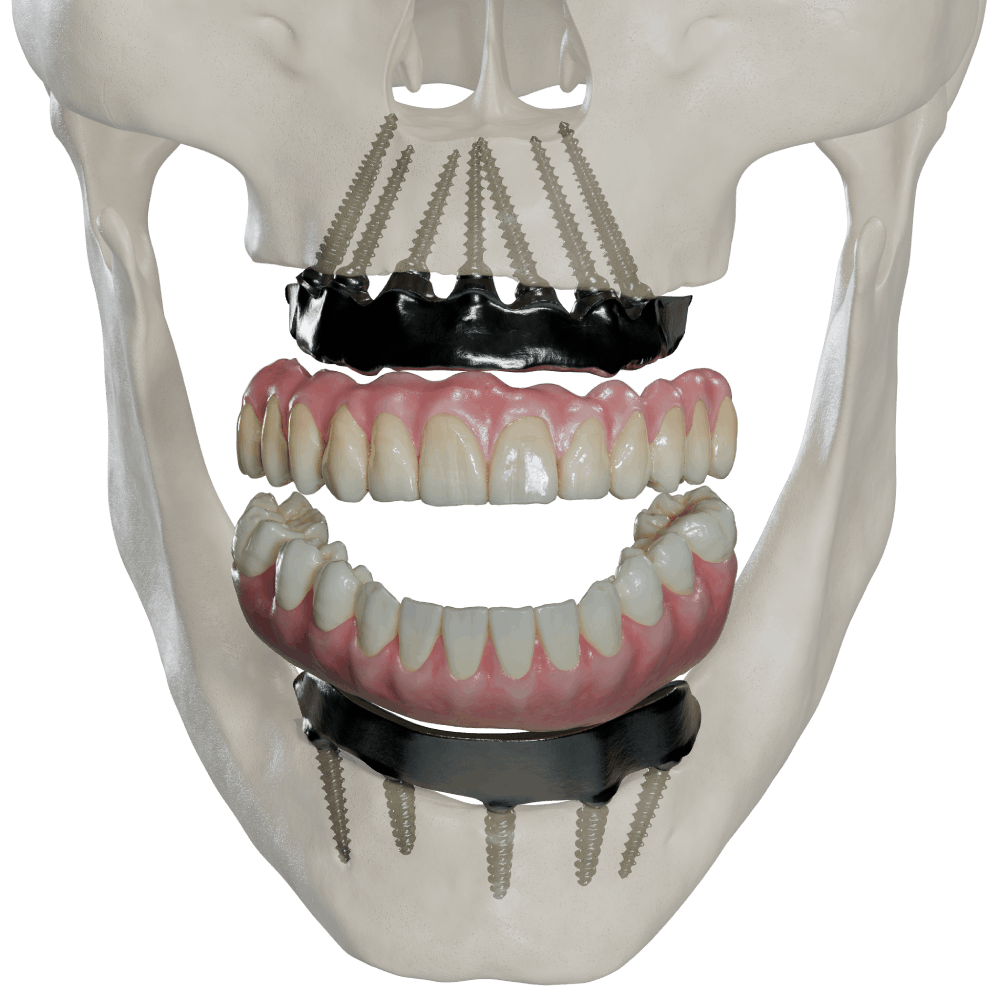
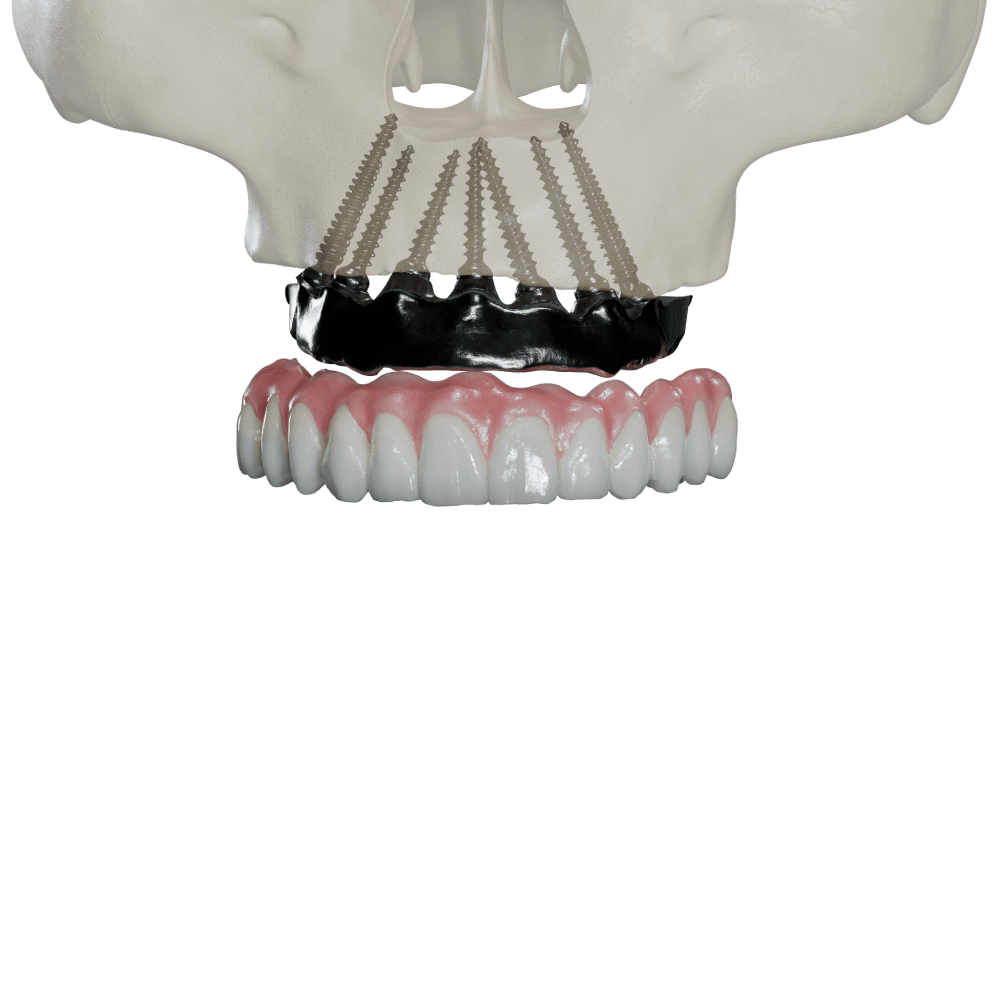
I will receive 6 to 8 premium Swiss implants in my upper jaw depending on my individual case for a flat price of $2,500 regardless of the final implant count.
We offer a transparent, flat-rate fee regardless of whether a jaw requires 6, 7, or 8 implants (never 4), and regardless of the final crown count. Whenever it comes to restoring entire jaws, we never count by the number of implant screws or individual crowns; our sole focus is restoring the entire arch flawlessly so your new smile is built to last a lifetime without compromises.
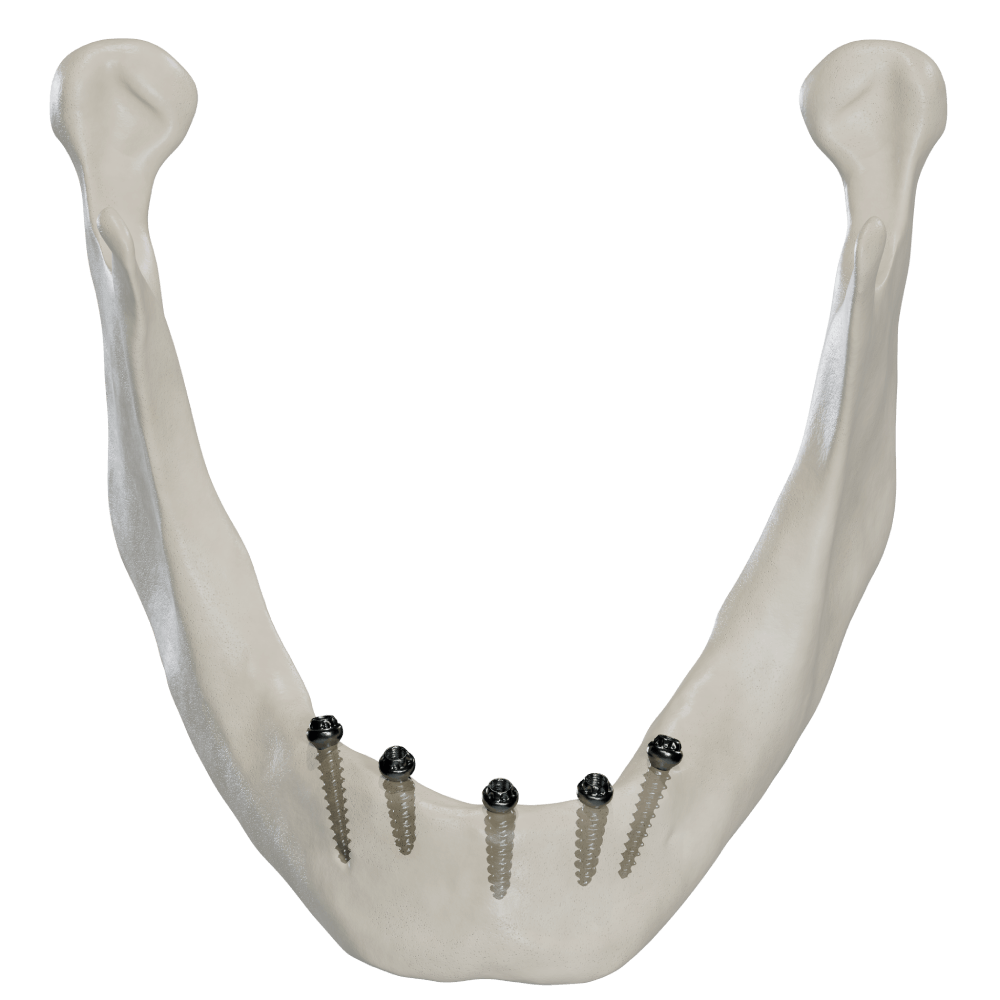
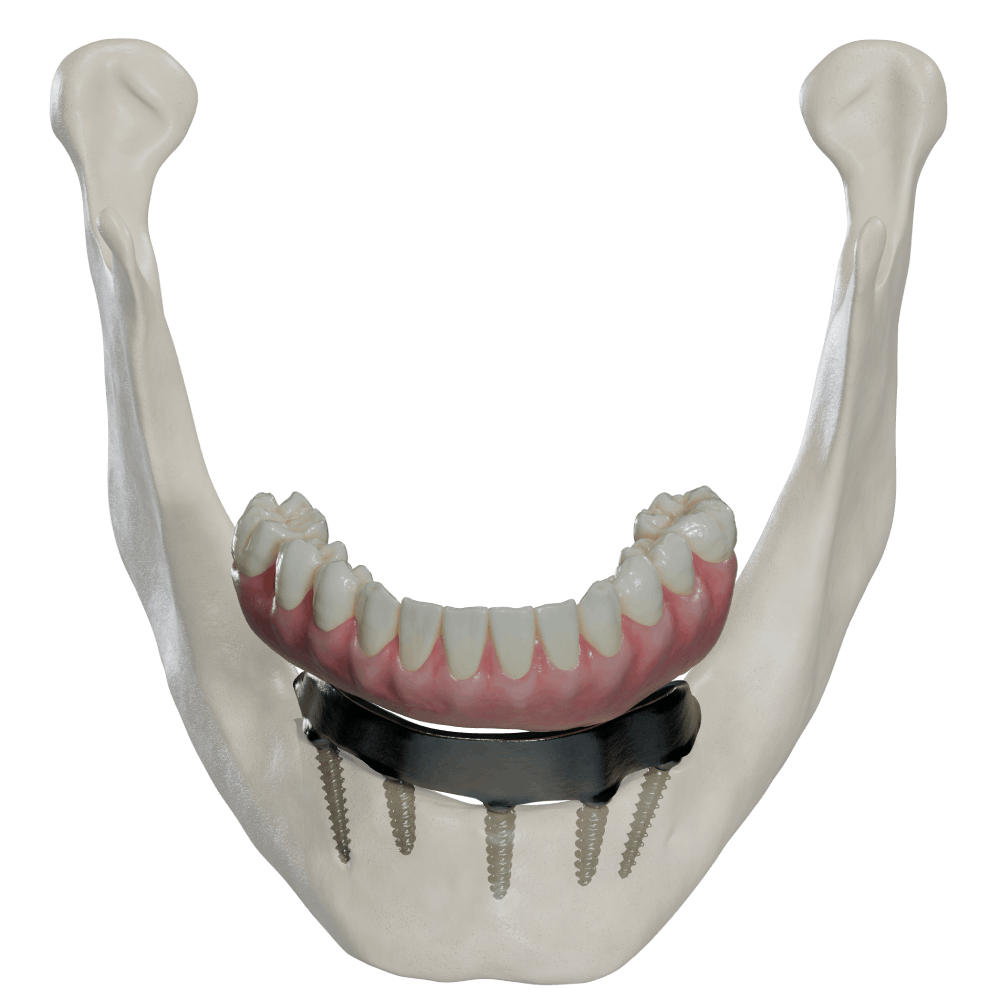
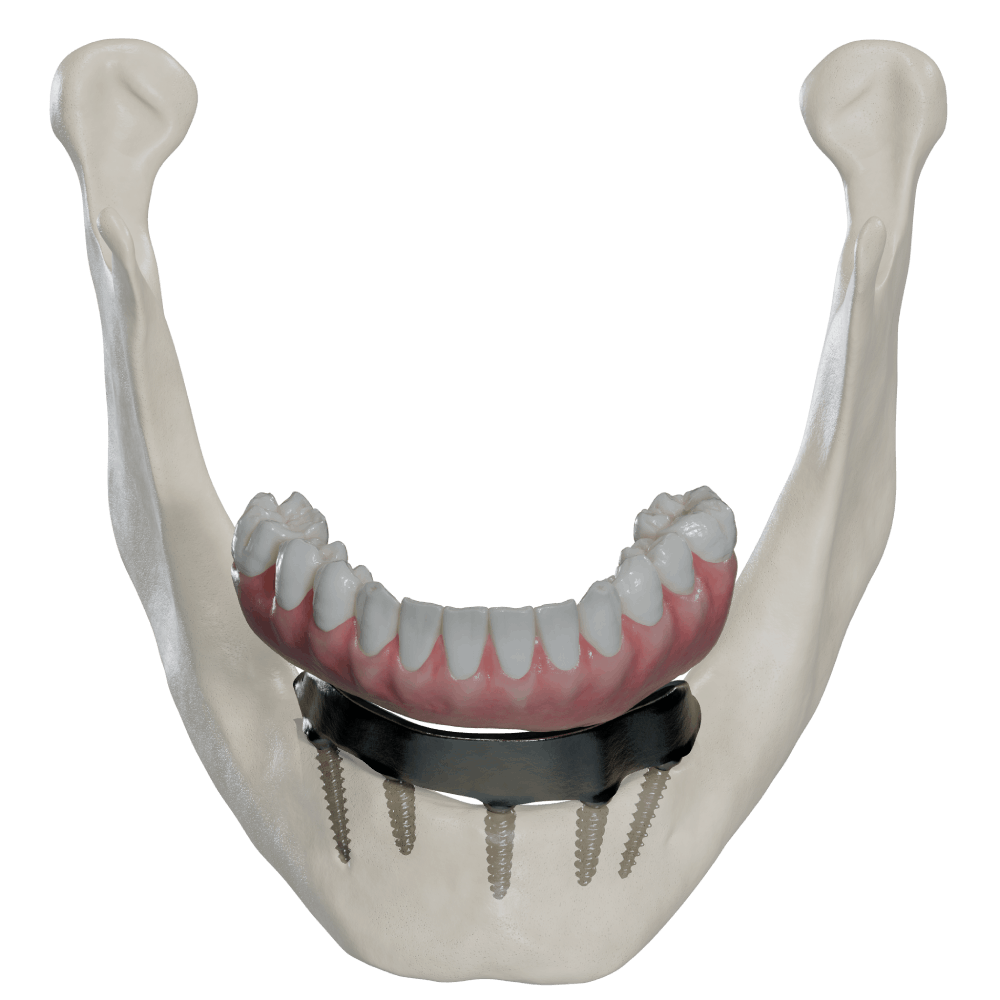
I will receive 6 to 8 premium Swiss implants in my lower jaw depending on my individual case for a flat price of $2,500 regardless of the final implant count.
We offer a transparent, flat-rate fee regardless of whether a jaw requires 6, 7, or 8 implants (never 4), and regardless of the final crown count. Whenever it comes to restoring entire jaws, we never count by the number of implant screws or individual crowns; our sole focus is restoring the entire arch flawlessly so your new smile is built to last a lifetime without compromises.
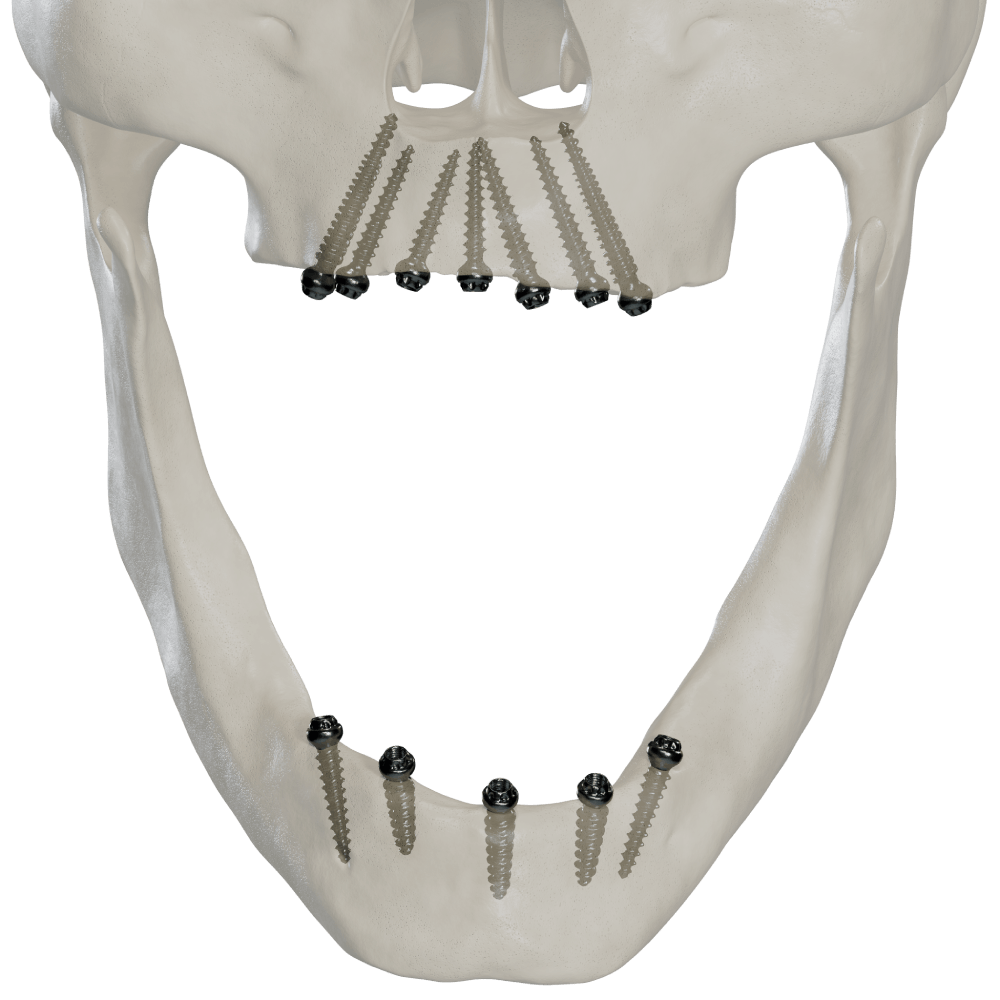
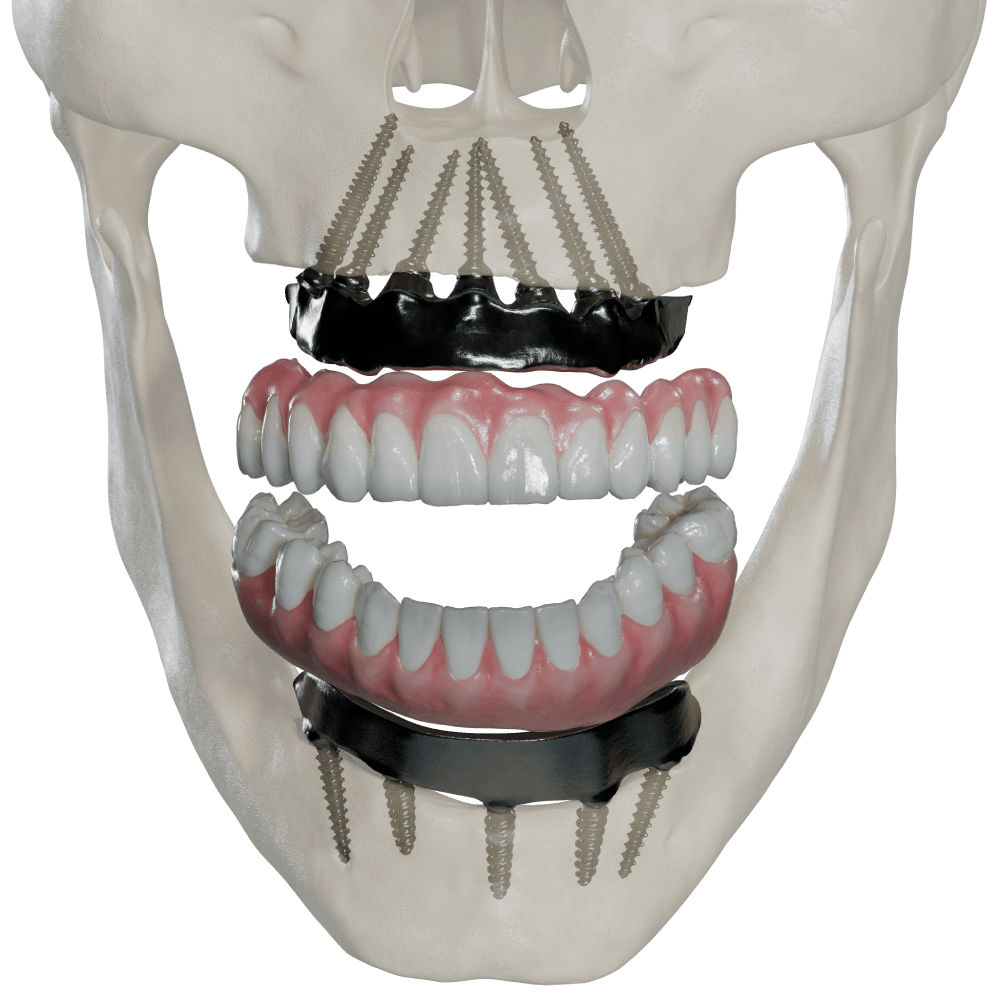
I will receive 6 to 8 premium Swiss implants in each of my jaws depending on my individual case for a flat price of $2,500 per jaw, regardless of the final implant count, bringing the total to $5,000 for both jaws.
Treatment for both jaws may be completed in one session or split into separate visits according to my preference.
We offer a transparent, flat-rate fee regardless of whether a jaw requires 6, 7, or 8 implants (never 4), and regardless of the final crown count. Whenever it comes to restoring entire jaws, we never count by the number of implant screws or individual crowns; our sole focus is restoring the entire arch flawlessly so your new smile is built to last a lifetime without compromises.
The permanent full set of teeth will be attached after a minimum 3-month healing period following your implant surgery. (The osseointegration period)
For a much gentler experience, I will choose computer-guided surgery. Using advanced 3D digital technology and custom-fabricated surgical templates, my implants will be placed with extreme precision through tiny pinholes—without slicing or peeling back my gums (similar to keyhole or endoscopic surgery). This patient-friendly method dramatically reduces pain and swelling but also allows me to leave the same day with a functional temporary smile if I wish to.
Traditional surgery involves slicing through my gum line and peeling back the tissue, causing significant postoperative pain, swelling, and bruising. Worse yet, it rules out immediate temporary teeth. If I wish not to go out toothless from my appointment, this traditional path is simply not an option.
Note: Guided surgery is an optional upgrade for an additional $500/jaw, which covers the specialized 3D planning, design, and manufacturing of my custom, single-use surgical guides (illustrated in the picture).
I want to get an instant, life-changing result on day one! For an extra $500/jaw, I will opt for a same-session fixed temporary smile placed during my implant appointment, allowing me to walk out ready to eat and socialize immediately. I’ll enjoy this functional, natural-looking smile throughout my 3-month recovery until my jawbones are ready to receive the permanent teeth.
I accept remaining completely toothless for at least 3 months during the healing phase. I understand that I cannot wear a temporary removable denture because it would damage the implants. I fully acknowledge the challenges this brings, including the social impact and the reality that, without teeth, I will physically not be able to chew solid food and will be limited to liquids and blended meals for at least 3 months.
Here's the full breakdown of your personalised treatment plan.
Thank you! Your estimate has been sent to our team and we will contact you shortly to confirm the details.
Figures shown are illustrative only. The final number (typically 6 to 8 per jaw) and position of implants depend on each individual case.